Elevating Wellness Branding with Spa Therapist Watercolor PNG Design
In the competitive landscape of the wellness industry, visual identity plays a pivotal role in establishing trust and conveying a sense of tranquility before a client even steps through the door. For professionals ranging from licensed massage therapists to holistic health practitioners, the aesthetic of their marketing materials must mirror the serenity they promise to deliver. This is where digital assets like the Spa Therapist Watercolor PNG Design become invaluable tools. Unlike rigid vector graphics or generic stock photography, watercolor illustrations offer a softness and organic flow that resonates deeply with the concepts of relaxation, healing, and natural beauty.
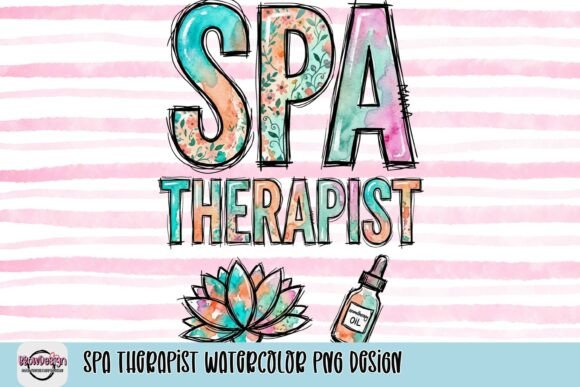
The integration of high-resolution digital art into physical and digital products allows creators to bridge the gap between professional branding and personal expression. By utilizing a design that features hand-drawn typography, floral elements like the lotus flower, and essential oil bottle illustrations, businesses can create a cohesive narrative across various touchpoints. The following analysis explores the practical applications, technical advantages, and strategic implementation of this specific artistic style for a broad audience of designers, business owners, and DIY enthusiasts.
The Psychology of Watercolor in Wellness Marketing
The choice of artistic medium is never accidental in branding. Watercolor, by its very nature, involves the blending of pigments with water, creating translucent layers and soft edges that lack the harsh lines of digital vector art. This visual characteristic aligns perfectly with the psychological goals of a spa environment. When a potential client sees a Spa Therapist Watercolor PNG Design on a business card or a website banner, the brain subconsciously registers the fluidity and softness as a signal for calmness and flexibility.
Furthermore, the inclusion of specific iconography enhances this effect. The lotus flower, often featured in these designs, is a universal symbol of purity, enlightenment, and rebirth in many Eastern traditions. Its presence immediately contextualizes the service as one rooted in mindfulness and spiritual balance. Similarly, the illustration of an essential oil bottle serves as a direct visual cue for aromatherapy and natural treatments. When these elements are combined with the words "SPA THERAPIST" in a unique hand-drawn style, the result is a logo or graphic that feels bespoke and human-centric, rather than corporate and sterile.
Technical Specifications and Quality Standards
For any digital asset to be effective in a professional setting, technical quality is paramount. A common pitfall for hobbyists and new business owners is the use of low-resolution images that appear pixelated when printed. The ideal file for commercial application, such as the one described here, typically boasts dimensions of 4034x5400 pixels at 300 DPI (dots per inch). This resolution is the industry standard for high-quality printing.
The significance of 300 DPI cannot be overstated. While screen displays often operate at 72 DPI, print media requires a much higher density of pixels to ensure crisp lines and smooth color gradients. A design intended for a large poster or a detailed t-shirt print will fail if the resolution is insufficient. Additionally, the format matters immensely. The PNG format with a fully transparent background is superior for versatility. Unlike JPEGs, which impose a white or colored box around the image, a transparent PNG allows the watercolor artwork to sit seamlessly on any background color or texture. Whether placing the design on a dark navy tote bag or a textured kraft paper menu, the transparency ensures that only the artwork is visible, maintaining a polished and professional look.
Diverse Applications Across Physical and Digital Media
The utility of a high-quality watercolor design extends far beyond a simple logo on a website header. Its adaptability makes it a cornerstone for a wide array of creative projects. For business owners, the primary goal is brand consistency. Using the same core visual element across different mediums reinforces brand recognition.
- Apparel and Merchandise: One of the most popular uses for these designs is in creating personalized apparel. T-shirts worn by staff can serve as a uniform that promotes team unity while advertising the business to walk-in clients. The vibrant colors and intricate details of the watercolor style translate well onto fabric, especially when using direct-to-garment printing methods. Beyond staff uniforms, these designs are excellent for retail items like pillows, phone cases, and tote bags, offering an additional revenue stream for spas.
- Printed Collateral: Tangible items remain crucial in the service industry. Business cards, appointment reminder cards, and loyalty punch cards benefit greatly from the elegance of watercolor textures. A spa menu listing services such as Swedish massage, deep tissue therapy, or aromatherapy facials looks significantly more inviting when framed by floral watercolor elements. The organic feel of the art suggests that the treatments themselves are natural and gentle.
- Interior Decor and Signage: The atmosphere of a waiting room or treatment area is critical to the client experience. Large-scale prints of the Spa Therapist Watercolor PNG Design can be framed and hung on walls to create a focal point of tranquility. Because the file is high-resolution, it can be scaled up for posters or window decals without losing clarity, helping to attract foot traffic from the street.
- Digital Presence: In the digital realm, these assets are equally powerful. They can be used as profile pictures on social media platforms, headers for Facebook pages, or graphics within email newsletters. The transparent background allows web designers to overlay the text and flowers onto video backgrounds or parallax scrolling sections of a website, adding depth and sophistication to the user interface.
Workflow Integration for Designers and Creators
For professional designers and DIY enthusiasts, understanding how to integrate these files into a workflow is essential. Since the text in the design is often not editable (as is common with pre-made artistic compositions), the strategy shifts from modification to composition. Users must plan their layout knowing that the phrase "SPA THERAPIST" is fixed within the artwork.
This constraint encourages creativity in surrounding elements. A designer might choose to add the business name, contact information, or tagline in a complementary font below or beside the watercolor graphic. Software such as Adobe Photoshop, Illustrator, or even free alternatives like Canva and GIMP can handle PNG files with transparency effortlessly. The process typically involves importing the PNG layer, adjusting its size to fit the canvas, and then building the rest of the design around it. Because the source file is 300 DPI, the creator has the freedom to scale the image down for small items like business cards or keep it large for banners without worrying about degradation.
It is also important to consider color management. Watercolor designs often feature a blend of hues—soft greens, calming blues, and warm earth tones. When preparing files for print, creators should ensure their color mode is set to CMYK rather than RGB to prevent color shifting. The vibrant colors seen on a monitor may appear duller in print if not properly calibrated. However, high-quality source files usually account for this by using rich, saturated pigments that hold up well during the conversion process.
Strategic Advantages for Small Businesses and Educators
Beyond the aesthetic appeal, there are strategic advantages to utilizing pre-designed, high-quality assets like this watercolor collection. For small business owners who may not have the budget to hire a graphic designer for a custom logo from scratch, purchasing a premium, exclusive-use design offers a cost-effective solution. It provides a level of polish that rivals custom work but at a fraction of the time and expense.
Educators and researchers in the field of hospitality and wellness can also utilize these visuals for instructional materials. When teaching students about branding in the service sector, having a concrete example of how texture and imagery influence consumer perception is invaluable. A case study could be built around comparing the effectiveness of a text-only logo versus one incorporating the Spa Therapist Watercolor PNG Design, analyzing customer responses to the differing levels of perceived warmth and professionalism.
Moreover, the "DIY enthusiast" demographic represents a growing sector of the maker economy. Individuals who create handmade soaps, candles, or wellness journals can use these designs to elevate their packaging. A simple label on a jar of bath salts becomes a premium product when adorned with a lotus flower and elegant script. This ability to upgrade perceived value through superior graphics is a key driver for success in cottage industries.
Considerations for Long-Term Brand Evolution
While the immediate benefits of using such a design are clear, long-term brand evolution requires thoughtful consideration. As a business grows, its visual identity may need to expand. The versatility of the watercolor style allows for this expansion. Because the design relies on universal symbols of wellness rather than trendy, fleeting aesthetics, it possesses a timeless quality. A lotus flower and essential oil bottle will likely remain relevant symbols of the industry for decades.
However, users must be mindful of exclusivity. If a design is sold as a unique asset, it is crucial to verify licensing terms to ensure that competitors are not using the exact same image. For those seeking a truly unique brand identity, using the purchased design as a base and adding custom elements—such as a specific color palette adjustment or additional hand-lettered details—can further differentiate the brand. The high resolution and transparent background facilitate this kind of customization, allowing the original art to serve as a robust foundation rather than a final, unchangeable product.
In conclusion, the fusion of artistic expression and technical precision found in the Spa Therapist Watercolor PNG Design offers a powerful resource for anyone involved in the wellness sector. From the psychological impact of soft, organic lines to the practical utility of a 300 DPI transparent file, every aspect of this asset is designed to enhance communication and brand perception. Whether applied to a t-shirt, a business card, or a digital campaign, the result is a visual statement that speaks of elegance, tranquility, and professional care. By leveraging these high-quality creative tools, professionals and creators alike can craft experiences that resonate deeply with their audience, turning a simple visual into a cornerstone of their brand's success.