Bringing Nature Indoors: A Practical Guide to Using Flowers Graphics for Design
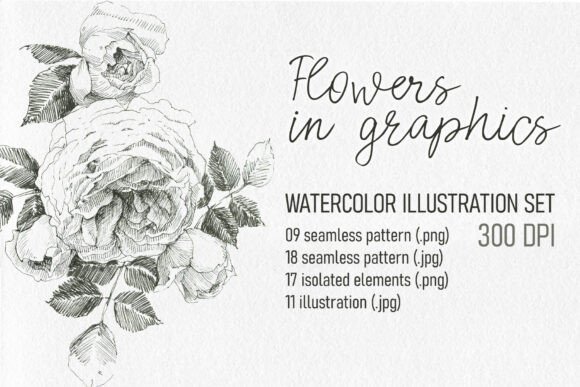
Finding the right visual elements for a creative project often feels like searching for a needle in a haystack. You need something that looks authentic, not overly polished or digitally sterile. This is where Flowers Graphics steps in as a genuine solution for creators who value texture and warmth. This collection isn't just a random assortment of images; it is a curated set featuring handpainted botanicals like muscari, English roses, mallow, hellebore, and violets. When you pair these delicate florals with the included 17 handpainted teapots, you get a cohesive aesthetic that feels cozy, clear, and undeniably human. Whether you are a small business owner packaging artisanal goods or a hobbyist making holiday cards, understanding how to leverage these specific assets can transform your output from generic to memorable.
Why Handpainted Textures Matter in a Digital World
In an era dominated by sleek vector icons and AI-generated perfection, there is a growing appetite for imperfection. The Flowers Graphics set leans heavily into this trend by offering elements that retain the brushstrokes and nuances of traditional painting. The inclusion of specific flowers like hellebores and violets alongside English roses provides a seasonal range that goes beyond the typical spring bouquet. These aren't just clipart; they are design components that bring a sense of history and craft to your work.
The technical quality supports this artistic intent. With files provided at 300 DPI in both PNG and JPEG formats, the resolution is high enough for professional printing without losing clarity. The transparent backgrounds on the PNG files allow you to layer these flowers over textured paper scans, fabric patterns, or colored cardstock without unsightly white boxes ruining the composition. This flexibility is crucial for designers who need their elements to blend seamlessly into diverse environments.
Elevating Small Business Packaging and Branding
For entrepreneurs selling handmade soaps, organic teas, or boutique candles, packaging is the first physical touchpoint a customer has with the brand. Using Flowers Graphics here can instantly communicate a brand's values. Imagine a local tea shop creating labels for their new chamomile blend. By combining the handpainted teapot clipart with the mallow or violet illustrations, they create a narrative on the label that suggests warmth, tradition, and natural ingredients.
The seamless patterns included in the archive—available in both PNG and JPG with varying background colors—are particularly useful for wrapping paper or box liners. Instead of buying expensive custom-printed boxes, a small business owner can print these patterns on standard kraft paper to create unique, branded packaging materials. The "cozy and authentic" vibe of the artwork aligns perfectly with businesses that market themselves as eco-friendly, artisanal, or home-based. It tells the customer that care went into the product before they even open the box.
Creating Emotional Connections with Greeting Cards
Greeting cards are perhaps the most obvious application, but the depth of this collection allows for more than just a "Happy Birthday" message. The specific flower choices offer symbolic opportunities. Hellebores, often blooming in late winter, are perfect for sympathy cards or messages of hope during difficult times. English roses convey classic romance, while muscari adds a touch of whimsical spring energy.
Freelance designers creating custom invitations for weddings or bridal showers can mix the teapot elements with the floral arrangements to create a "tea party" theme that feels vintage rather than kitsch. Because the elements are designed to combine well with each other, you don't have to spend hours adjusting scales or colors to make them match. The palette is naturally harmonious. For educators or parents making homemade cards for school events, the high-resolution JPEGs with white backgrounds offer a quick, drag-and-drop solution that still looks professional when printed on heavy cardstock.
Textile Design and Home Decor Applications
Beyond paper products, this set holds significant potential for textile design and home decor. The seamless patterns are engineered specifically for repetition, making them ideal for fabric printing. A hobbyist with access to a print-on-demand service could use the floral patterns to design aprons, table runners, or tote bags. The "authentic" feel of the handpainted style translates beautifully to fabric, avoiding the robotic look that sometimes plagues digital textile prints.
Consider the use case of creating holiday decorations. The 17 handpainted teapots paired with winter-blooming flowers like hellebores can be used to design custom ornaments, gift tags, or even wall art for a kitchen renovation. The RGB color mode ensures that if you are displaying these designs on digital screens—such as a website banner for a bed-and-breakfast or a social media post for a florist—the colors remain vibrant and true to the original painting.
Practical Considerations Before You Start
Before diving into your project, it is important to understand the file structure to maximize efficiency. The zip archive is organized thoughtfully, separating the individual elements from the patterns and the background types. If you are working on a project that requires layering, such as a complex poster or a digital collage, prioritize the 17 PNG files with transparent backgrounds. These allow you to place a teapot behind a cluster of roses or have vines wrap around a text box without obstruction.
Conversely, if you are using software that handles transparency poorly or if you need a quick stamp for a document, the 11 JPEG files with white backgrounds are ready to go. The seamless patterns come in both formats as well, giving you flexibility depending on whether you need to overlay the pattern on a dark background (use the PNG) or print it directly (use the JPG). Always check the 300 DPI requirement against your printer's capabilities; while this resolution is standard for high-quality offset and digital printing, scaling these images up to billboard size would result in pixelation. They are best suited for items like business cards, packaging, stationery, and medium-sized art prints.
Maximizing Value Through Versatility
The true value of Flowers Graphics lies in its versatility across different stages of a project. A blogger might use the individual flower clips to break up text in a recipe post about herbal teas, while a marketer could use the seamless patterns as a subtle background for a promotional email newsletter. The key is to view these not just as pictures, but as building blocks.
Because the elements are "combined with each other" in their design philosophy, you can trust that a muscari stem will look natural next to an English rose. This saves time on color correction and stylistic matching. For users who may not be professional graphic designers, this pre-harmonized aspect is a massive benefit. It lowers the barrier to entry for creating beautiful, cohesive visuals.
Ultimately, whether you are designing a line of wedding invitations, branding a new coffee shop, or simply adding a personal touch to a family newsletter, this collection provides the raw materials needed to tell a story. The blend of specific botanical accuracy with the charm of hand-painting creates a unique niche that stands out in a crowded market. As you explore the 17 teapots and varied flora, remember that the best designs often come from mixing these elements in unexpected ways—perhaps pairing a sturdy teapot with delicate violets to symbolize strength and gentleness. The tools are there; the creative direction is entirely up to you.